What your EPC rating really tells you
An EPC is a modelled estimate, not a measurement. Knowing its limits tells you which upgrades are actually worth doing.
The short version
- An EPC is a modelled estimate built on standard assumptions, not a measurement of your home.
- It compares properties consistently, but it cannot see a damp loft or a draught problem.
- The recommended measures are a menu rather than a plan, and the cheapest wins are often ranked low.
- Improve the fabric and airtightness first, then ventilation, then heating and controls.
What an EPC actually is
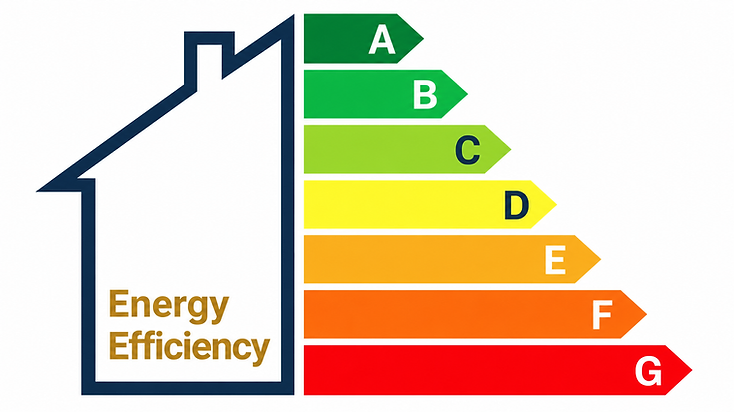
An Energy Performance Certificate is a modelled estimate. A surveyor records the construction, heating, insulation, glazing and controls, and software uses standard assumptions about occupancy and temperature to produce a score and a band from A to G.
It is a consistent comparison between properties. It is not a measurement of your home on a Tuesday in January.
Cost, carbon and the letter on the certificate
The certificate carries two numbers: the energy efficiency rating, which relates to running costs, and the environmental impact rating. They usually move together, but not always, and a home heated by electricity can score differently on carbon than on cost.
The headline band is the one lenders, landlords and buyers pay attention to, which is why it is worth knowing which measures genuinely move it.
What the model cannot see
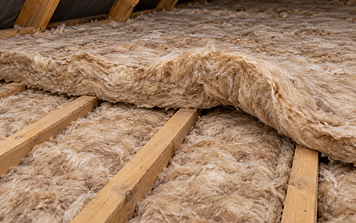
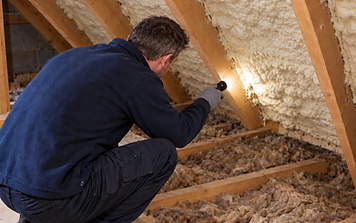
Because an EPC relies on assumptions, it can miss what is true on the ground: a top-up of insulation that was never recorded, a compressed and damp loft, or a draught problem no certificate captures. It also cannot tell you where heat is actually leaving.
We see properties with a respectable rating and an uncomfortable back bedroom, and properties with a poor rating that need less work than the certificate implies. A thermal survey answers the question the EPC cannot.
Reading the recommendations list
The recommendations on an EPC are priced and ranked, and the ranking is often misleading. A measure with a quick payback on paper can involve major disruption, while a cheap fix such as sealing a loft hatch or topping up insulation may sit further down.
Read the list as a menu, not a plan. The right order for your home depends on what is actually failing.
Where the rating matters legally
An EPC is required when a property is sold or let, and there are minimum standards for rented homes in England and Wales, with exemptions and a register of them. The rules change over time, so check the current position rather than relying on an older certificate.
The order we would work in
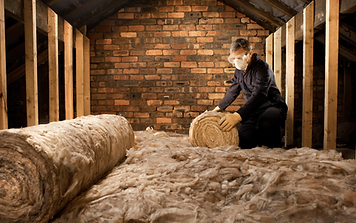
Start with the fabric and the airtightness of the building: the loft, the walls, the draughts. Then look at ventilation, so the home can breathe once it is tighter. Heating and controls come after, because a larger boiler cannot fix a home that loses heat through the roof.
That order gives the best comfort for the money, and it usually improves the rating as a side effect rather than as a target.
Where to start
- EPC rating check looks at the certificate alongside the property itself.
- Home insulation survey if you want the heat loss picture rather than the paperwork.