Reading the signs of cold-surface condensation
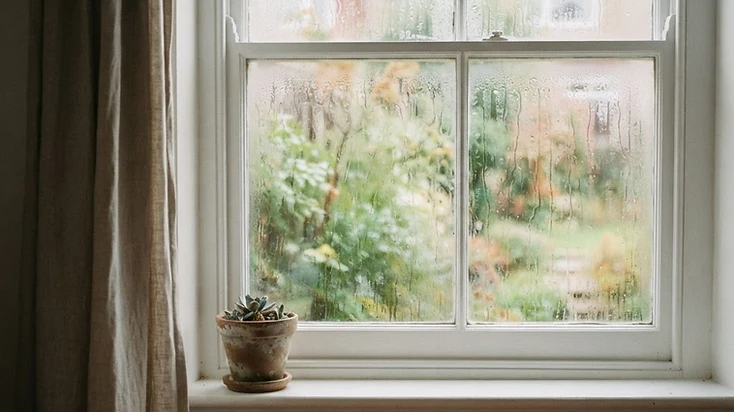
Black mould in corners and streaming windows are not a leak. They are a cold-surface problem, and the fix follows from that.
The short version
- Mould grows on the coldest surfaces, so where it appears tells you where the problem is.
- Condensation is seasonal and internal; penetrating damp follows the weather and comes from outside.
- Warming a surface through insulation stops condensation starting there.
- Sealing a home too tightly makes damp worse, so ventilation and insulation have to be considered together.
Where mould actually grows
Mould grows where warm, moist air meets a surface cold enough for the water in that air to condense. It never spreads evenly around a room. It appears in the corners, along the top of north-facing walls, on window reveals and behind furniture pushed against an outside wall.
Those are all the coldest points, and that pattern is the clue.
Condensation or penetrating damp?
Condensation tends to be seasonal, worse in cold weather and worse when the home is closed up and full of moisture from cooking, washing and breathing. It leaves black speckled mould and damp patches on cold surfaces.
Penetrating damp usually shows as a tide mark, a growing stain, or damp that spreads after heavy rain, often with a musty smell or damaged plaster. It comes from outside.
Rising damp appears low on the ground floor and rarely climbs more than about a metre.
Getting this wrong wastes money, because the fix for each is completely different. A room treated for penetration when the cause is condensation will keep growing mould. A wall coated to keep out rain when the problem is a leaking gutter will still be wet next winter.
Why insulation changes the picture
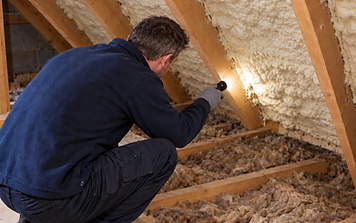
A cold surface is what makes condensation possible. Insulating the ceiling, the loft or the wall behind the mould raises that surface temperature, and warm surfaces stay dry.
That is why condensation and heat loss are really the same conversation. A thermal survey shows both: where the heat is leaving and where the cold spots are.
Ventilation, in the right amount
Homes need to move air, and modern homes often move too little. Sealing every draught can make an older property damp, because the moisture the household produces has nowhere to go.
Trickle vents, working extractor fans and using pan lids while cooking are small habits that make a real difference. A dehumidifier can help in the short term, but it treats the symptom rather than the cause.
What we look at in a survey
We check the ventilation provision, look for thermal bridges at junctions and lintels, take moisture readings, and use a thermal camera to find the cold surfaces the mould is responding to.
Sometimes the answer is insulation. Sometimes it is ventilation, or a repair that sits outside what we do, and we tell you which.
Where to start
- Condensation and heat-loss check identifies the cold surfaces causing the problem.
- Loft insulation refresh addresses the ceiling as a route for heat loss.
- Book a survey if the mould keeps returning after cleaning.